Weaponized Craft
Reiser+Umemoto, RUR Architecture DPC
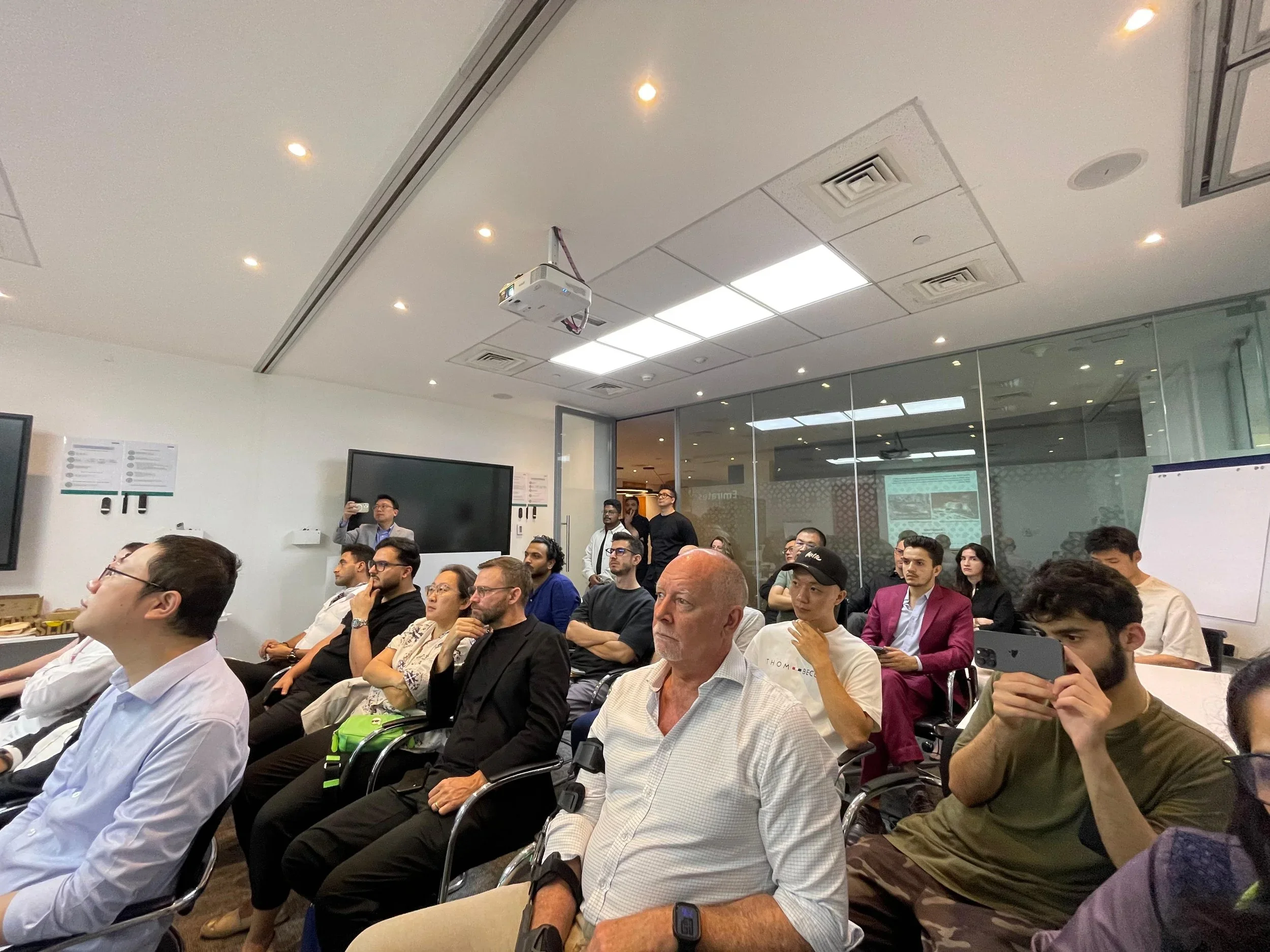
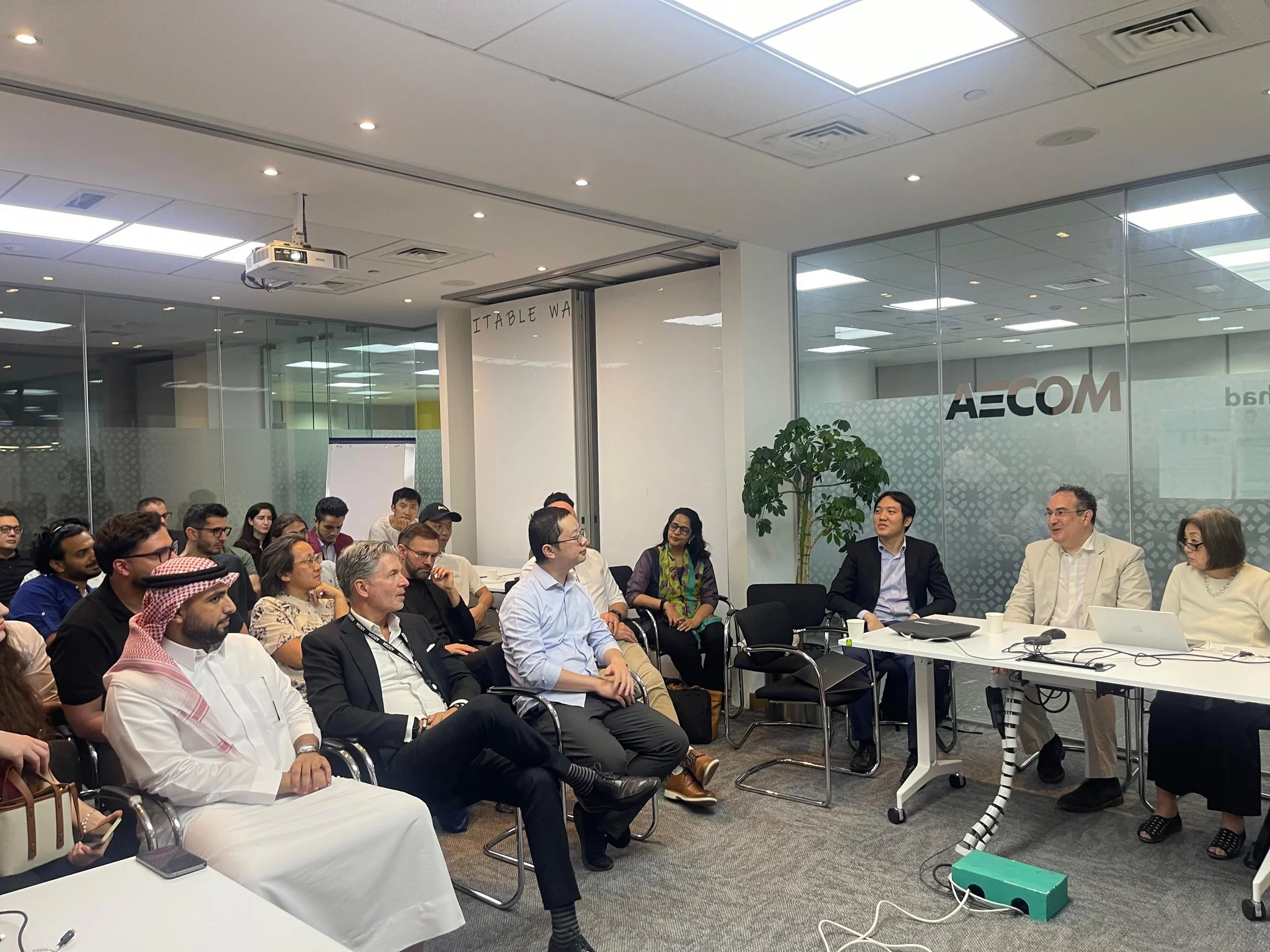
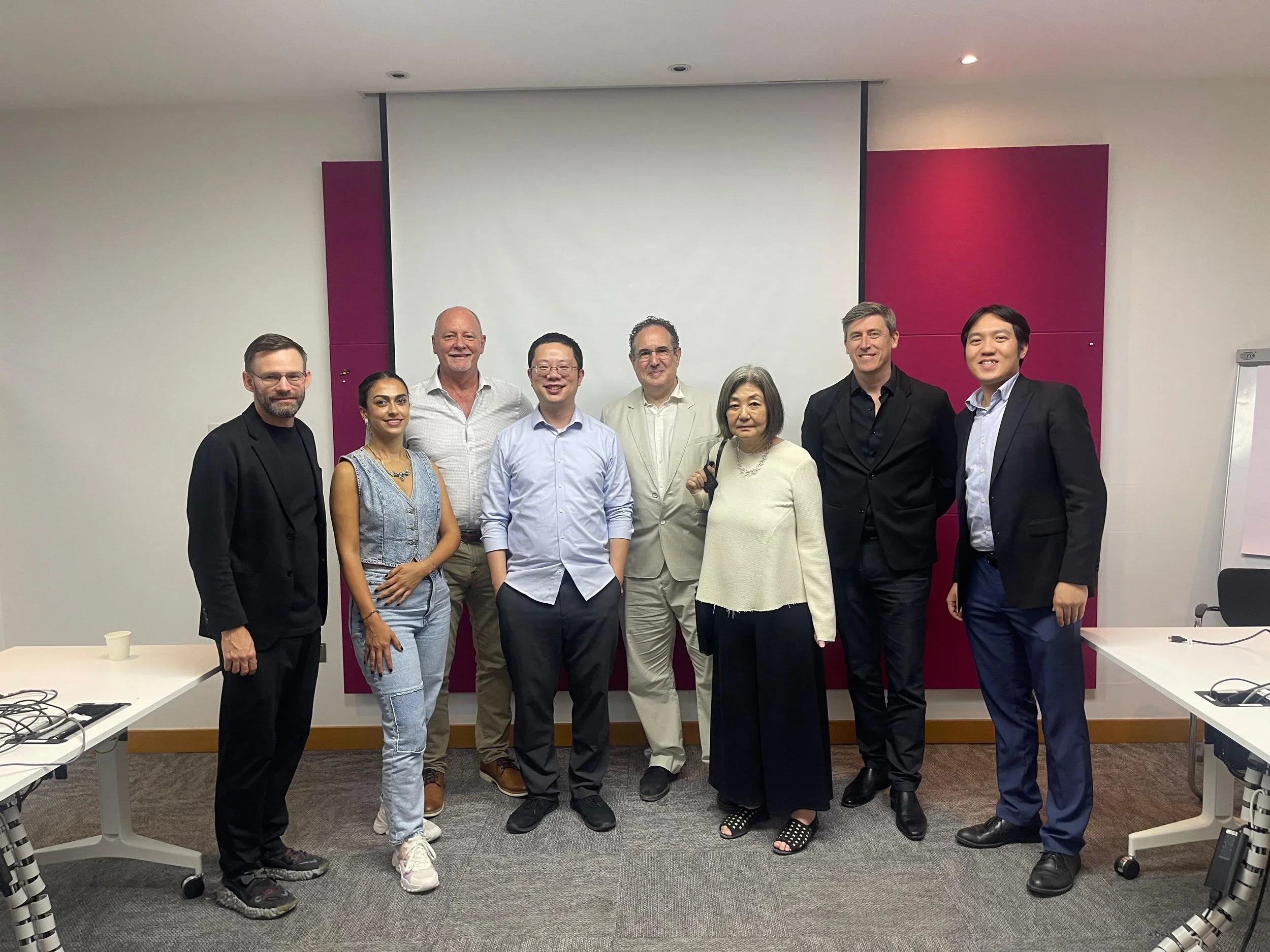
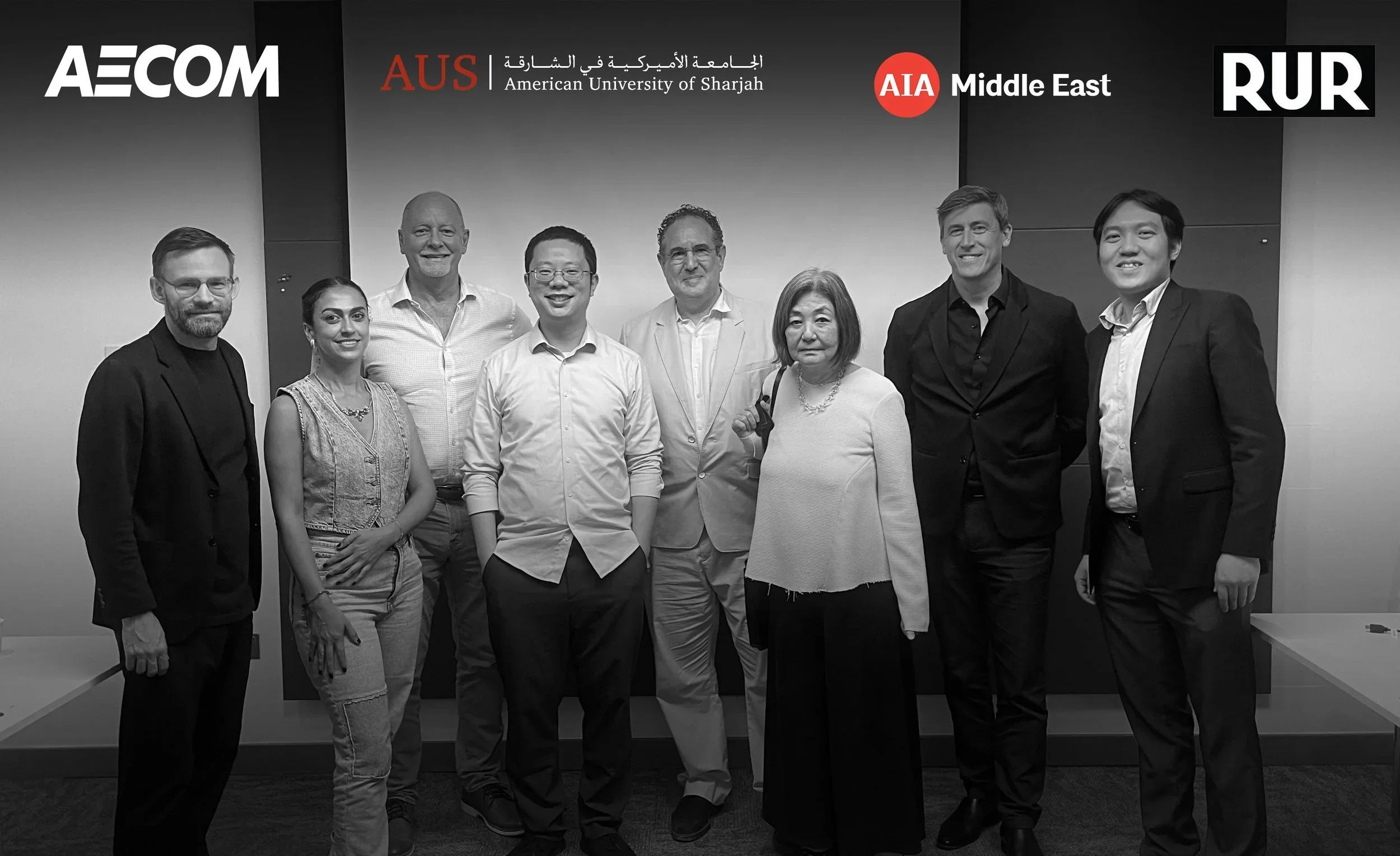
In collaboration with AECOM office in #Dubai, AIA Middle East and American University of Sharjah, hosted "Weaponized Craft" with Jesse Reiser and Nanako Umemoto of RUR Architecture DPC on May 13, 2025 in Dubai, UAE.
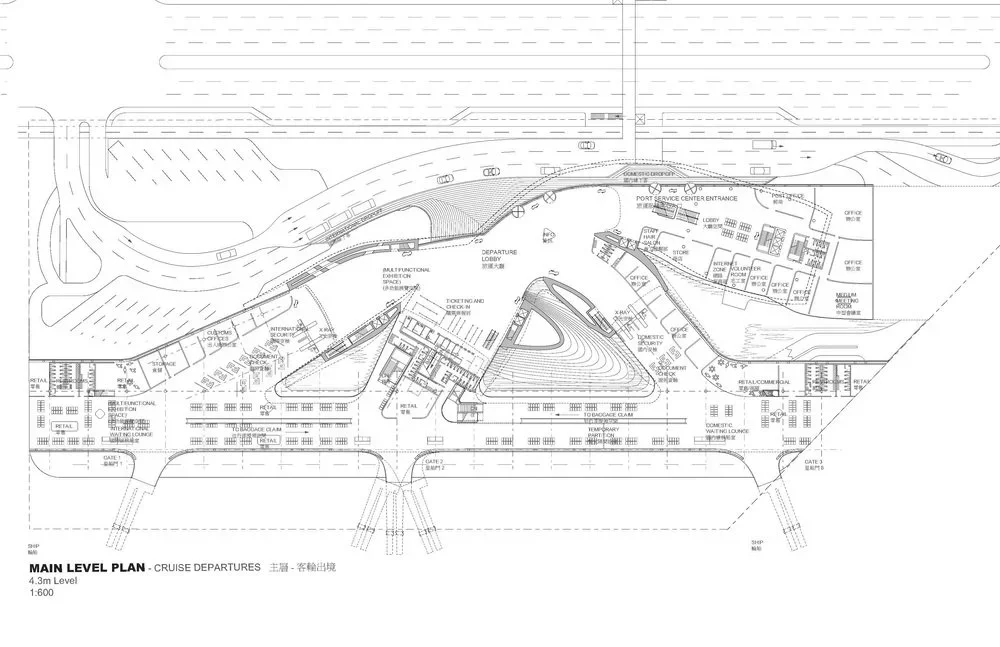
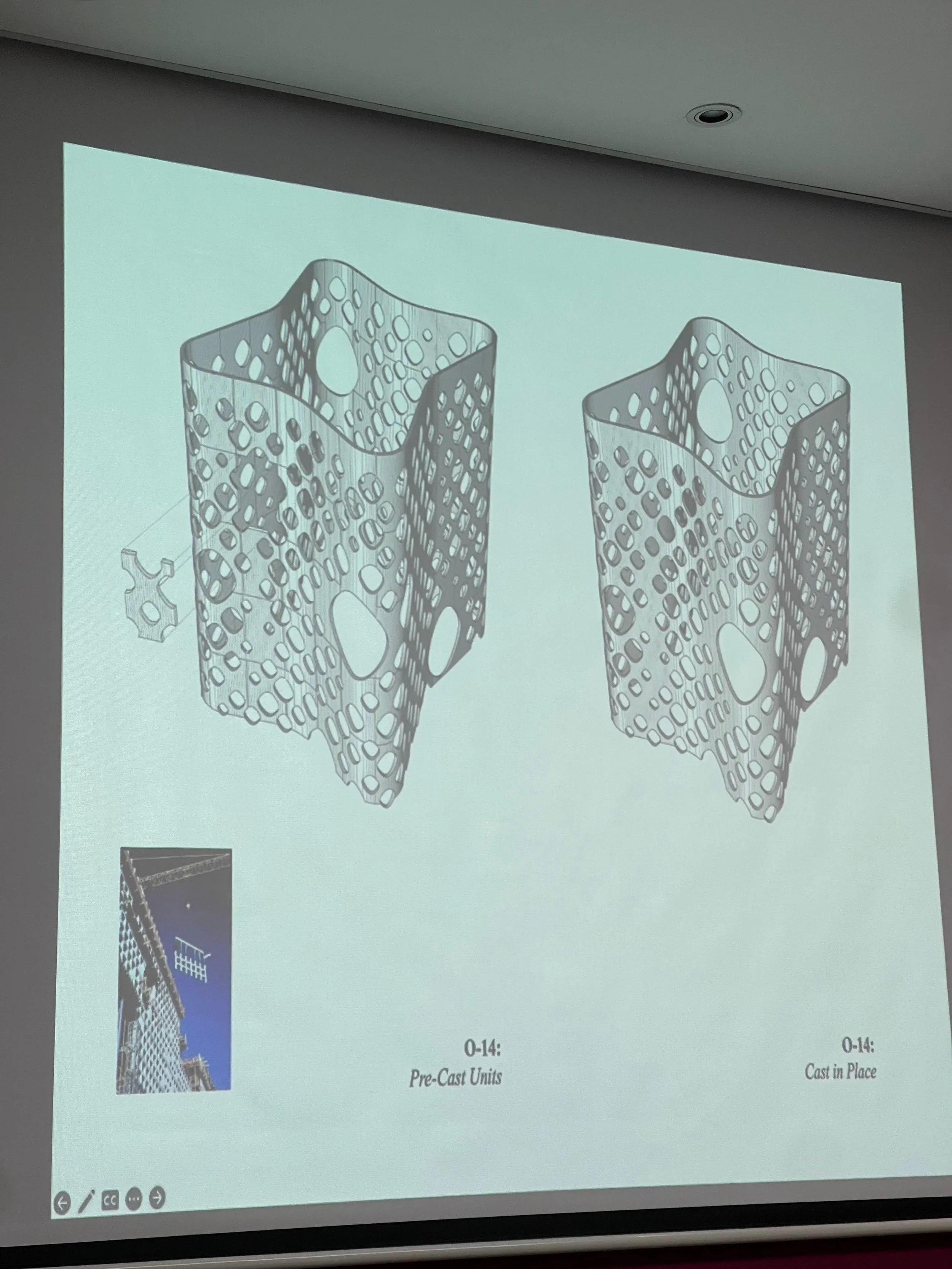
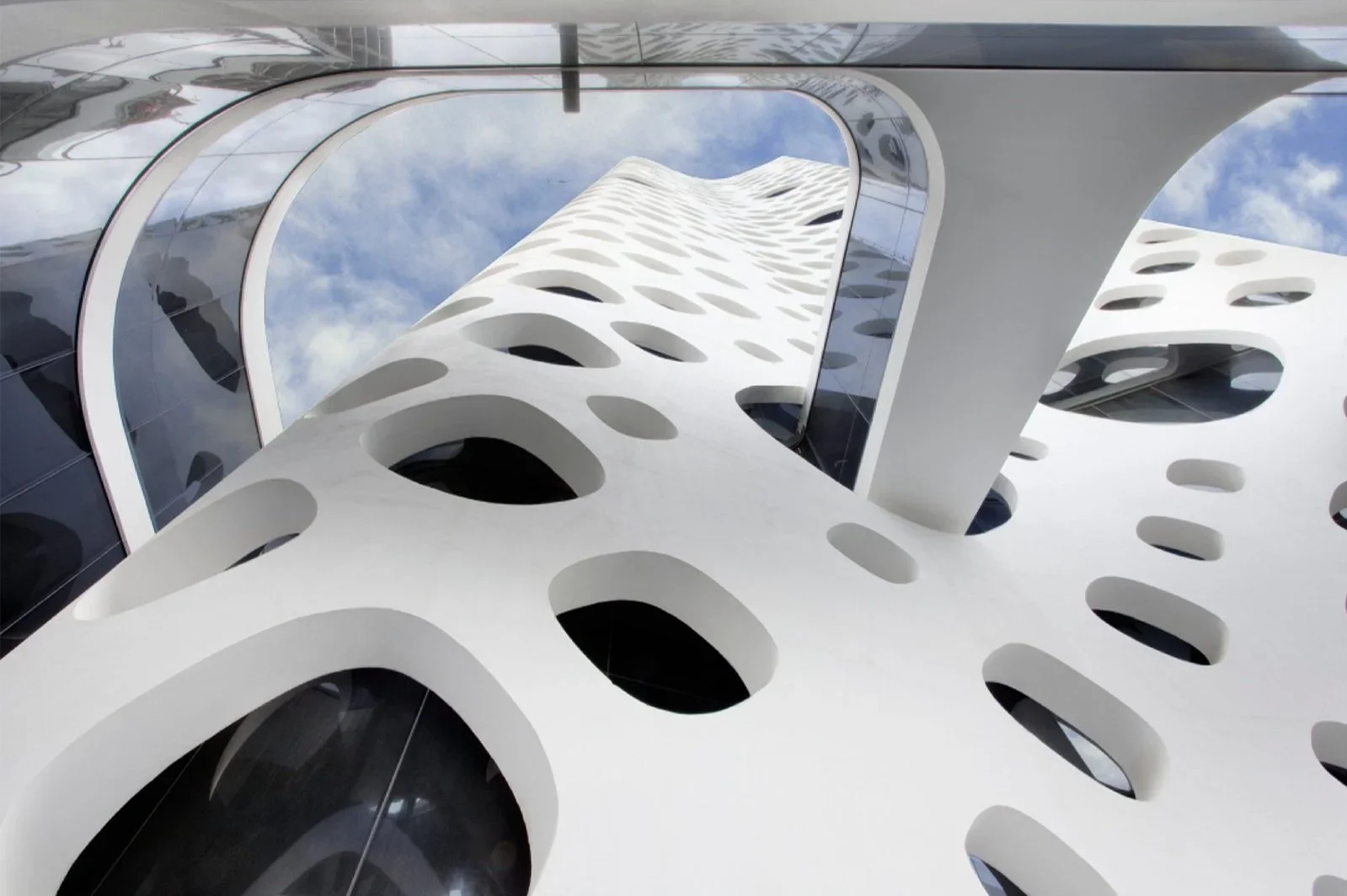
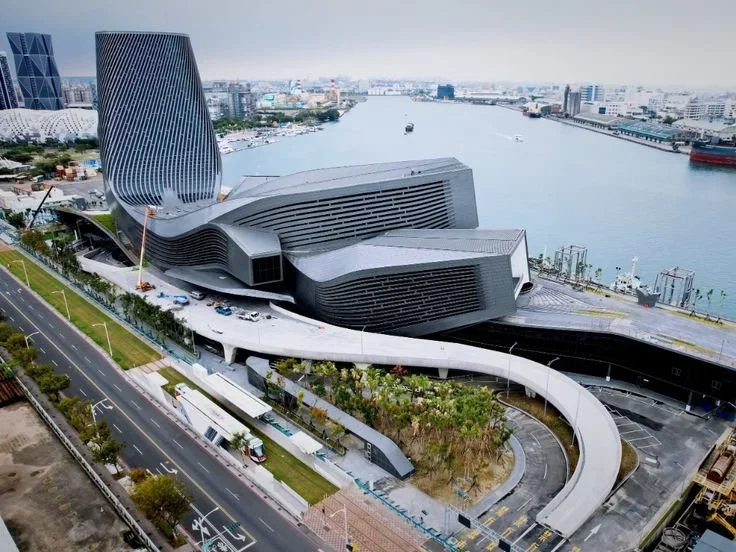
The lecture explored the intersection of design techniques and modern innovation in architecture, highlighting regional, ecological, and cultural dimensions. Their O-14 tower, located near Ubora Tower in Dubai was a key point in this presentation and served as a key reference. The event also discussed the design thought process behind - Kaohsiung Port Terminal - in #Taiwan, The lecture and was coordinated with AIA Middle East President Li Ren AUS Architecture Department Head Jason Carlow, paving the way for future more promising collaboration in the region.
Seen through the lens of RUR’s completed project on urban transformation, our discussion charted the long design gestation and ultimate building triumph of a series of public and private projects across the globe. From successful completions to speculative developments, each project presented its own set of challenges—architectural, political, and ecological. What Reiser+Umemoto had learned from these projects amounted to a late revelation on the centrality of craft and its surprising urban and cultural implications.
In short, craft had unexpectedly returned to the architect.
Migrating from the job site into the exploratory space of the design studio, craft took on new, unprecedented dimensions. No longer strictly limited by material realities or the routines of normative practice, the architect was free to engage with a project across scales and mediums. For Reiser+Umemoto, craft was less a set of concrete techniques than an exploratory ethos. This radical mode of thinking and working became an ongoing dance between centuries-old and cutting-edge technologies. A crafty engagement with technology proved essential, as it eluded the twin traps of conservative handicraft and process-based techno-purism. The practice sought to chart a radically aesthetic passage between the two as the most resonant way to advance culture and society.
Like the effectiveness of the itinerant smiths of old and Lockheed’s mid-century Skunk Works, which had existed within larger machines—economic, political, or otherwise—Reiser+Umemoto continued to leverage the vitality of independent thought beyond the constraints of convention, in service to the world.